Get our mobile app
Download on the App StoreGet it on Google Play

Israel Decides

Eisenkot Leads Netanyahu Before Israel Votes

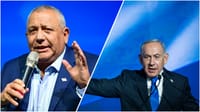
Gadi Eisenkot's Yashar tops Likud in the final surveys, but neither bloc reaches 61 seats, and Eisenkot has vowed to enforce court rulings on drafting chareidim.

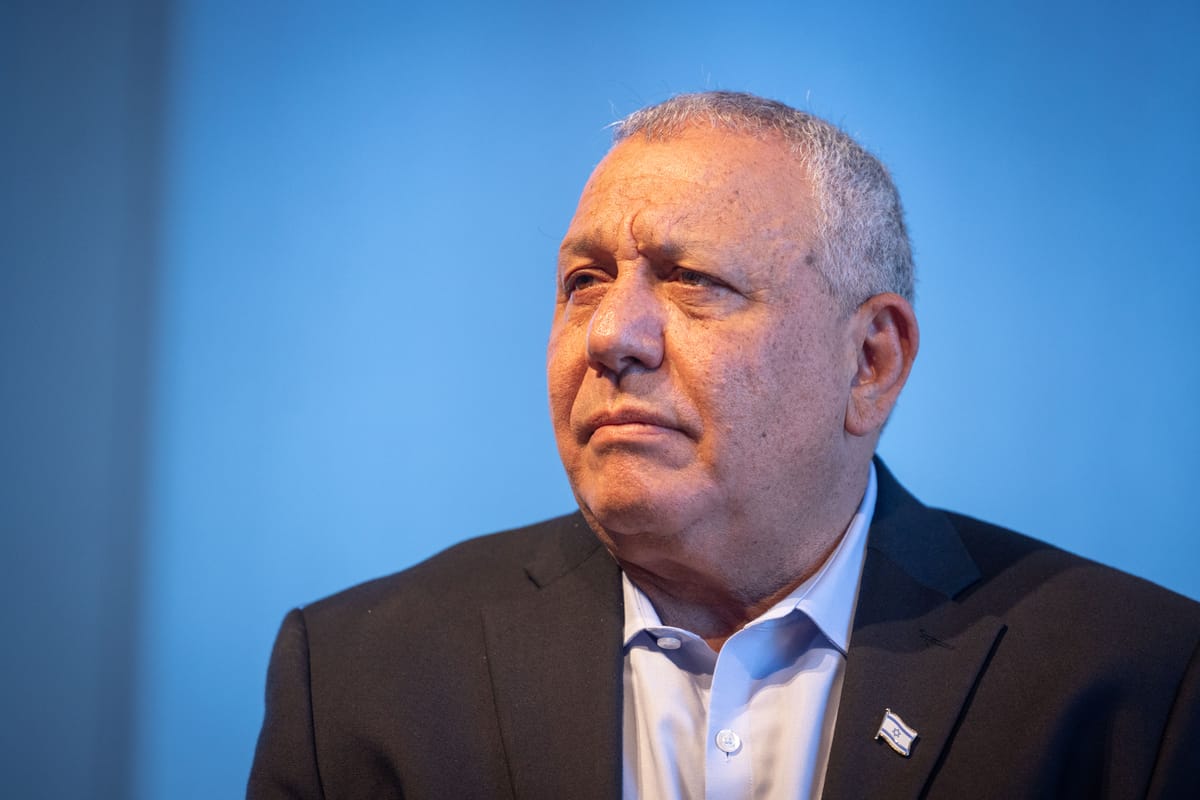
Eisenkot

Israelis go to the polls on Tuesday, October 27, to elect the 26th Knesset. The final surveys show former IDF chief of staff Gadi Eisenkot's Yashar party ahead of Prime Minister Benjamin Netanyahu's Likud. Neither camp reaches the 61 seats needed for a majority in the 120-member parliament. Eisenkot has vowed to enforce court rulings on drafting chareidim into military service.

For the yeshiva world, the draft is the dividing line of this election. Shas and United Torah Judaism make Torah study their priority and oppose compulsory military service for yeshiva students, i24NEWS reported. Yashar's platform calls for military or national service for all. It also calls for a constitution and safeguards for an independent judiciary. Eisenkot's pledge on the draft rulings draws support from right-wing and opposition voters alike.

Israelis abroad face a different hurdle. Israel has no general postal or proxy voting, so citizens must be in the country on election day to cast a ballot. On October 21, i24NEWS reported that around 1 million eligible voters live outside Israel. The Jerusalem Post reported on October 23 that a survey by the Fly&Vote initiative estimated about 67,000 Israelis abroad planned to travel home to vote, up from 53,000 at the start of October. The initiative cautioned that the figure is based on its registration data and does not count actual arrivals. At around 40,000 votes per seat, those ballots would equal about 1.7 Knesset seats.
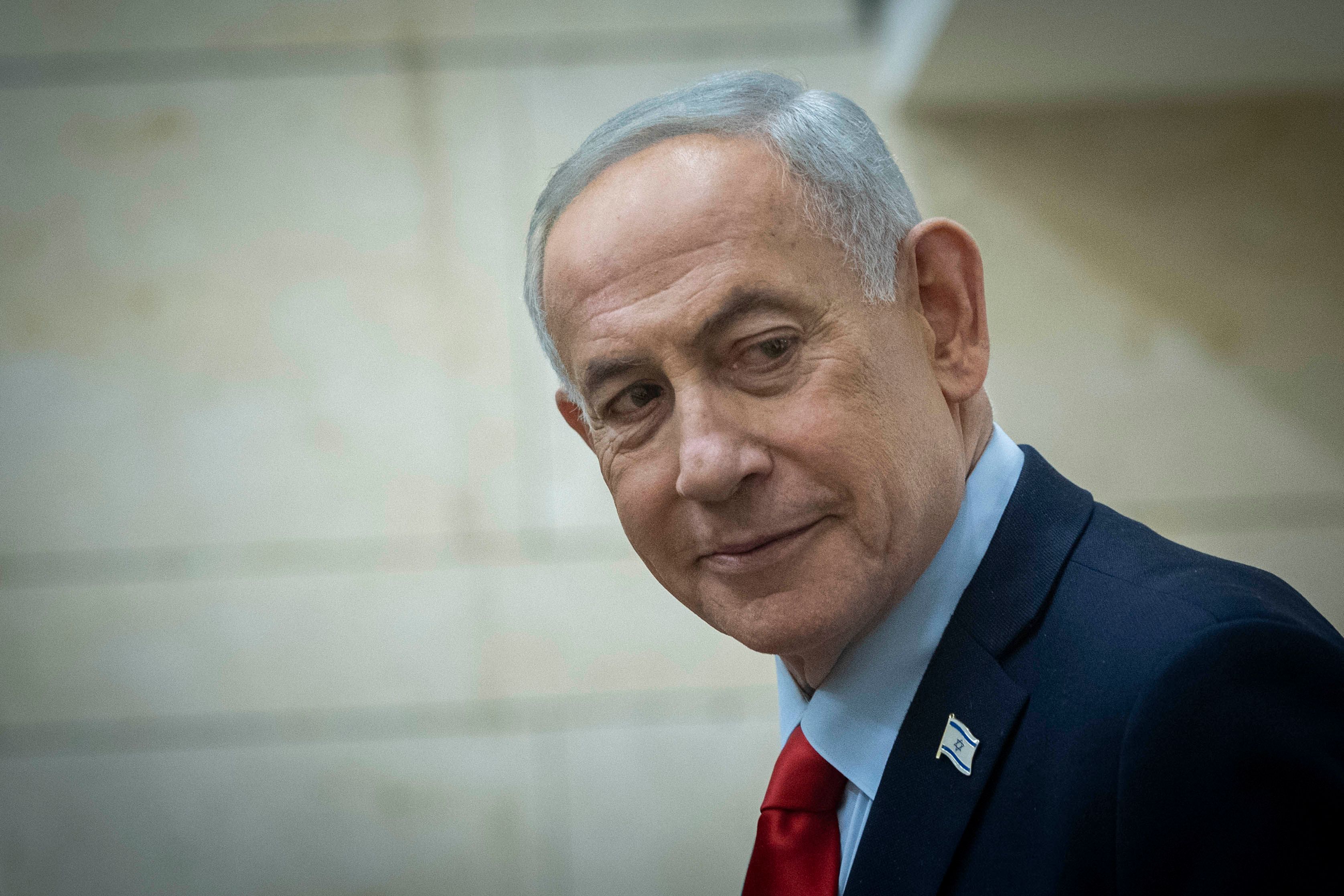
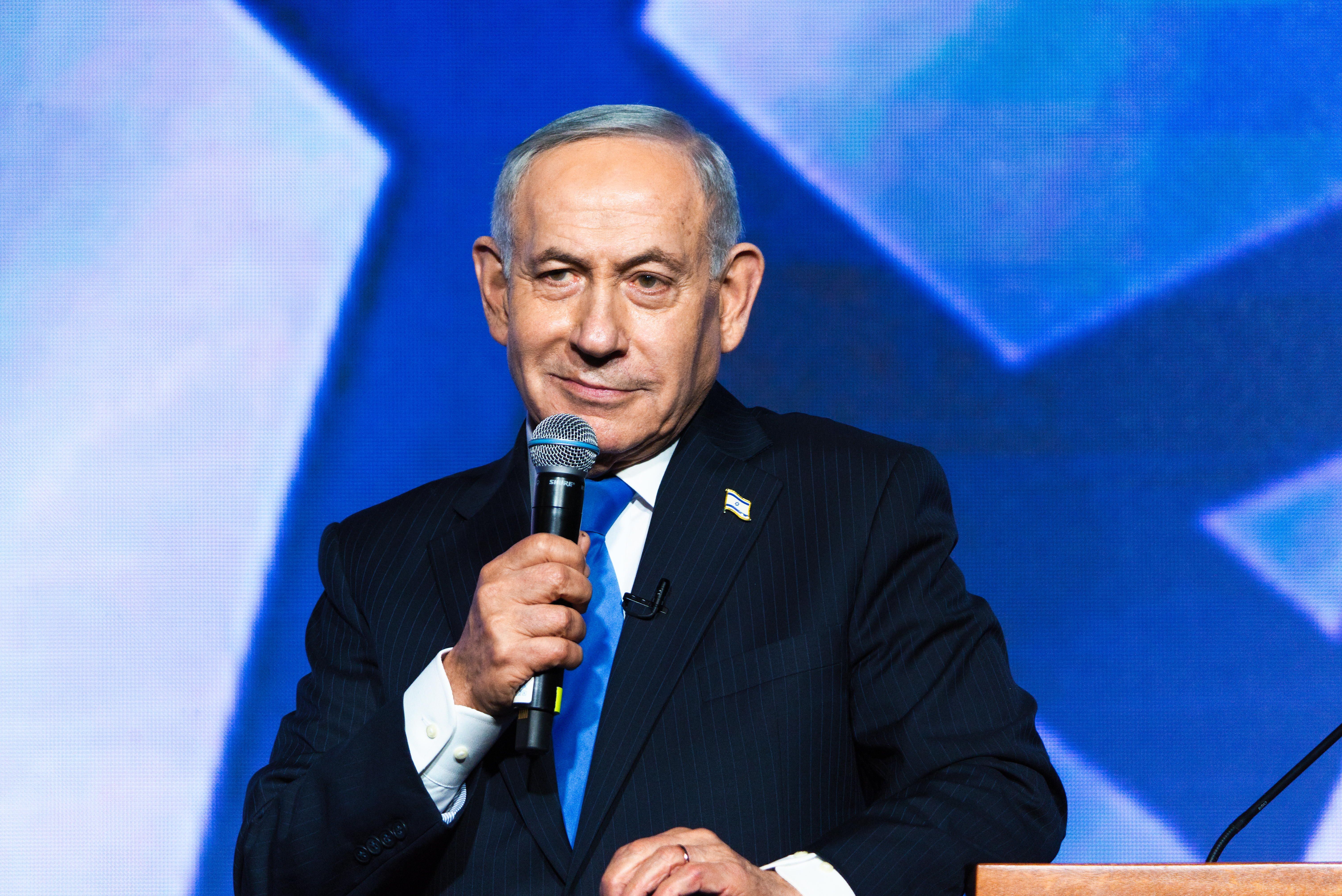
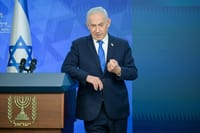
Netanyahu
Netanyahu (Chaim Goldberg/Flash90)

About 7.3 million Israelis are eligible to vote, Ynet reported. Three final television surveys came out on Friday, from Kan 11, the public broadcaster, and from Channel 12 and Channel 13. All three gave Netanyahu's right-wing and religious bloc exactly 50 seats. The opposition bloc received between 52 and 56, and the Arab parties, which neither bloc counts, received between 14 and 16.

Yashar finished first in every survey, with 22, 23 and 22 seats. Likud followed with 20, 21 and 19. Naftali Bennett's B'Yachad came third with 14, 15 and 14.

The final Maariv poll gave the opposition 54 seats against 48 for Netanyahu's bloc, with Yashar on 21. The Jerusalem Post averaged four weekend surveys from Channel 12, Channel 13, Channel 14 and Maariv. In that average, Yashar has 22 seats and Likud 19.75. The opposition bloc has 54 seats against 49.5 for the coalition.

The 3.25% electoral threshold could decide who governs. Ofer Winter's Amcha Yisrael fell below it in every final poll. The joint Reservists-Economic Party list of Yoaz Hendel and Yaron Zelekha won four seats in Kan 11's survey. It dropped below the line in the Channel 12 and Channel 13 polls. Votes for lists that miss the threshold do not produce seats, and the redistribution among the parties that pass it could shift the balance between the camps.

At a community centre for Ethiopian Jews in Ramle last week, Eisenkot described what he sees at stake.

"These elections are about many issues. They are about security, economy, education...but primarily, they are about the identity of the State of Israel, and what kind of Israel we want to see. A Jewish state, a democratic state, a liberal, tolerant, egalitarian state."

The opposition accuses Netanyahu's government of threatening democracy through its efforts to curb judicial powers. Netanyahu has repeatedly cast his rivals as soft on security. He has also warned that the Jewish opposition parties could ally with Arab parties to reach a majority.

On Sunday, Netanyahu urged right-wing voters not to back small lists that are unlikely to cross the threshold. He told 103FM that a vote for Leitner or Noam was effectively a vote for Mansour Abbas and Ahmad Tibi. A Yedioth Ahronoth poll published on October 9 found that more than 16% of first-time voters would choose parties such as Itamar Ben Gvir's Otzma Yehudit.

The final days of the campaign also brought a security clash. On Sunday, Channel 12 reported a confrontation between Netanyahu and IDF Chief of Staff Eyal Zamir over a proposed military operation that could have led to escalation with Iran. Eisenkot and Yisrael Beiteinu chairman Avigdor Liberman responded by accusing Netanyahu of pushing military action for political reasons.

Prime Minister Benjamin Netanyahu
Prime Minister Benjamin Netanyahu (Photo: Natan Kohn)
"Netanyahu, my eyes are on you. The man on whose watch the greatest disaster in the state's history occurred refuses to understand that Israel's security is not a political plaything," Eisenkot wrote on X.
Ready for more?

Join our newsletter to receive updates on new articles and exclusive content.

We respect your privacy and will never share your information.

Enjoyed this article?

Yes
No
Follow Us:

Unmissable content


Loading comments...

Also of Interest