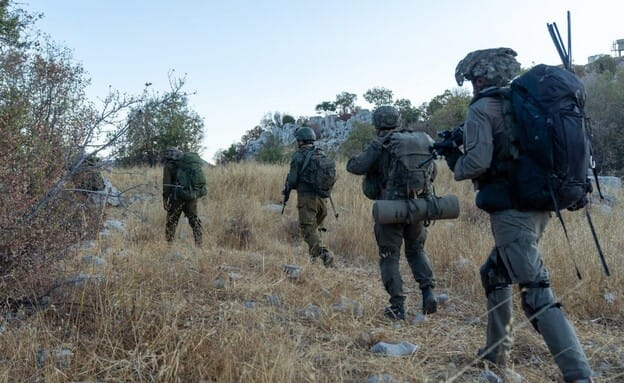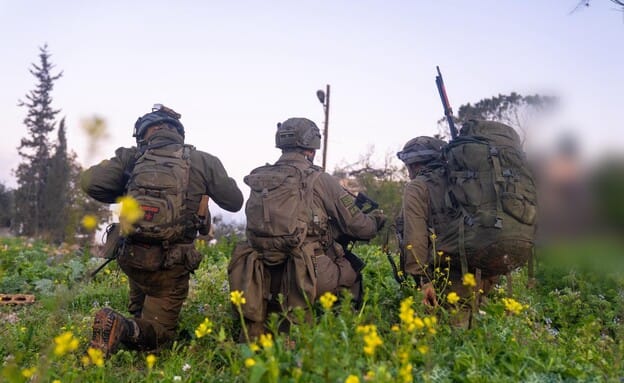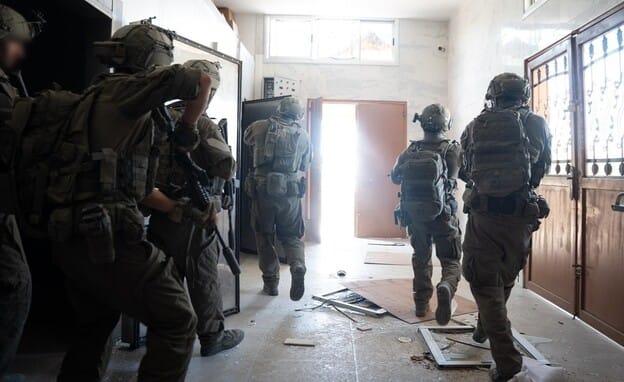
The Israel Defense Forces are facing a critical manpower crisis as the nation continues to wage a multi-front war across seven active operational arenas. According to comprehensive data released by the Personnel Directorate, the continuous operational load has resulted in a deep erosion of both regular and reserve forces. The military has revealed a structural deficit of approximately 12,000 mandatory service soldiers, including a severe shortage of 6,000 to 7,500 frontline combat troops required to sustain the war effort.
The internal analysis indicates that regular combat units are currently executing twice the volume of operational missions compared to historical averages. Due to the intense systemic pressure, soldiers are no longer being rotated out for standard rest periods or scheduled training exercises, remaining permanently deployed along hostile borders or deep within enemy territory. The strain on the reserve ecosystem is equally severe, with the average number of service days per soldier climbing from the traditional 21 days every three years to a minimum of 240 days over the last three cycles.
To bridge this expanding gap, the defense establishment is pushing for the immediate passage of three critical pieces of legislation: a temporary order extending regular mandatory service to 36 months, a permanent amendment to the Reserve Service Law, and a universal conscription framework for the ultra-Orthodox community. However, because the political echelon has chosen to link the extension of regular service to the highly contentious Haredi draft exemption bill, the legislative process has ground to a halt in the Foreign Affairs and Defense Committee.
Military planners have warned of a catastrophic timeline if the law is not amended before the end of the year. Under current regulations, thousands of soldiers who enlisted in July 2024 are scheduled to complete their truncated 30-month service and separate from the military in January 2027. Because the next draft class will not complete basic training until March of that year, the army faces a two-month "black hole" where troop levels will plummet dramatically. Officials have described this impending cliff as a structural failure that will disrupt the entire defensive alignment of the state.
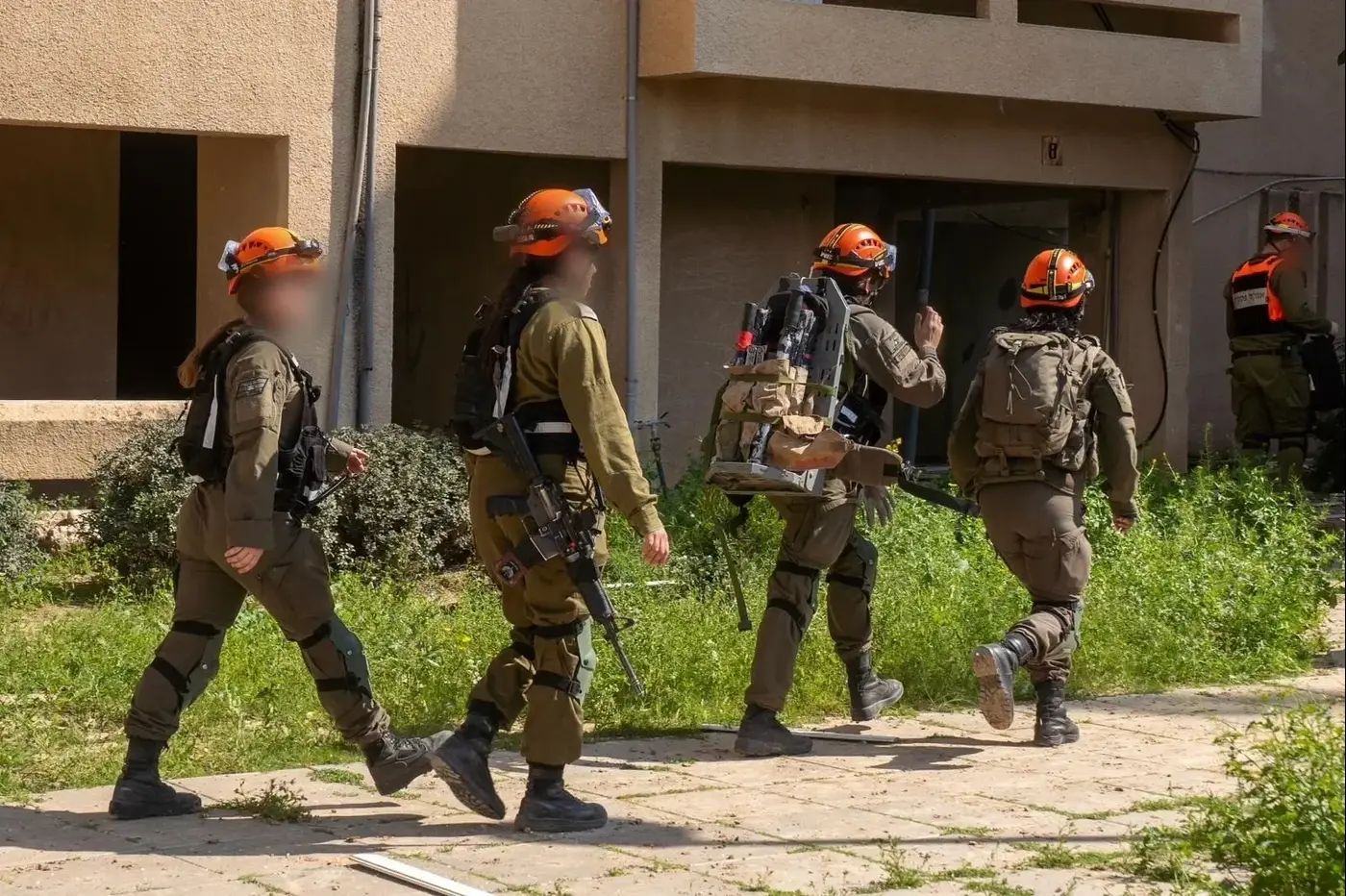
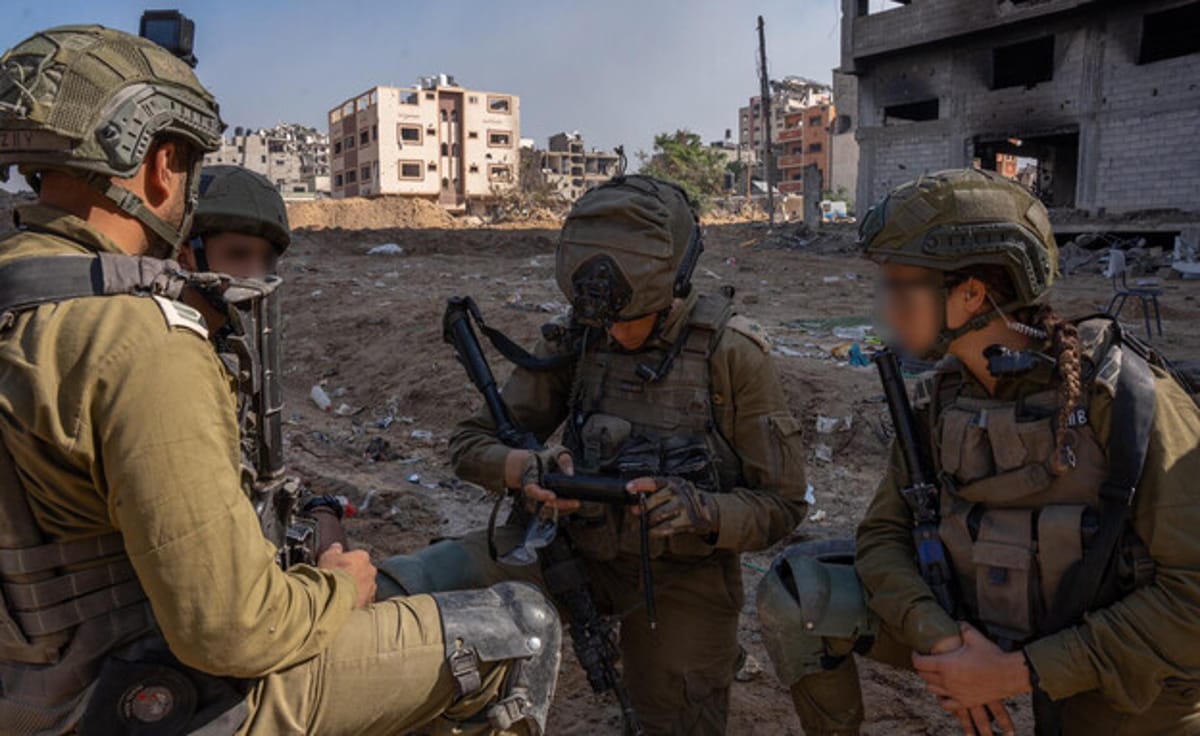
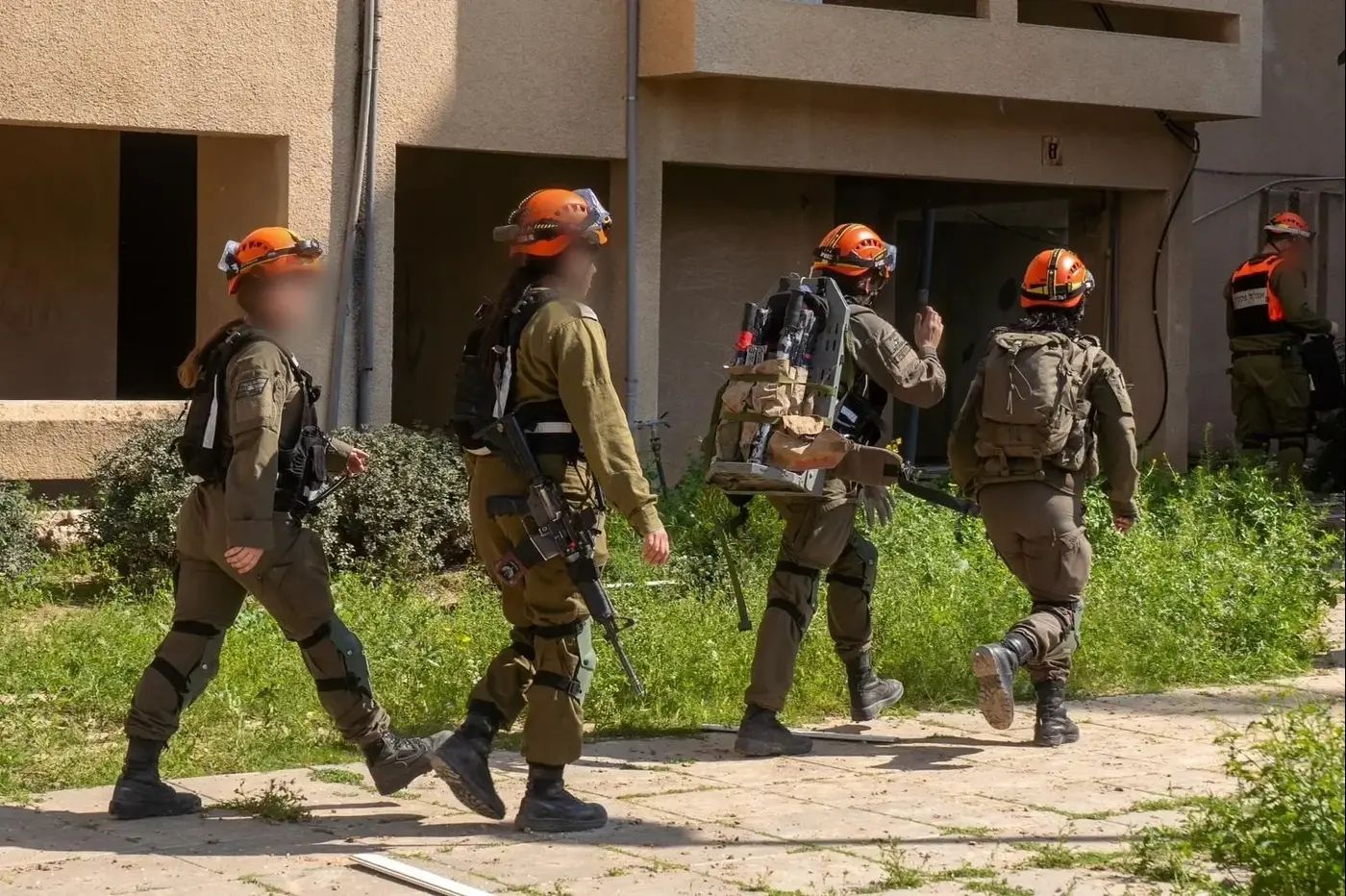
A bright spot in the otherwise grim personnel ledger is the historic surge in the recruitment of women into elite combat roles. From a baseline of just 547 volunteer female fighters in 2012, the military has successfully integrated approximately 5,200 women into active combat units as of 2025. Today, women perform 21 percent of all active combat roles within the IDF, showing a massive increase in motivation during the current war, with thousands of female recruits requesting placement in border defense, artillery, and naval command tracks.
The Directorate is also attempting to launch several innovative retention and recruitment programs, including a 70 million shekel national initiative called "The 12th Year" to prepare high school seniors for meaningful service and reduce attrition rates. Additionally, a new "hybrid placement" system is being trialed to provide early certainty to candidates before they complete their pre-military testing. However, senior commanders emphasize that these creative administrative adjustments represent a partial patch rather than a permanent solution, reiterating that without an immediate legislative resolution to the conscription crisis, the military's long-term operational breath will be severely compromised.