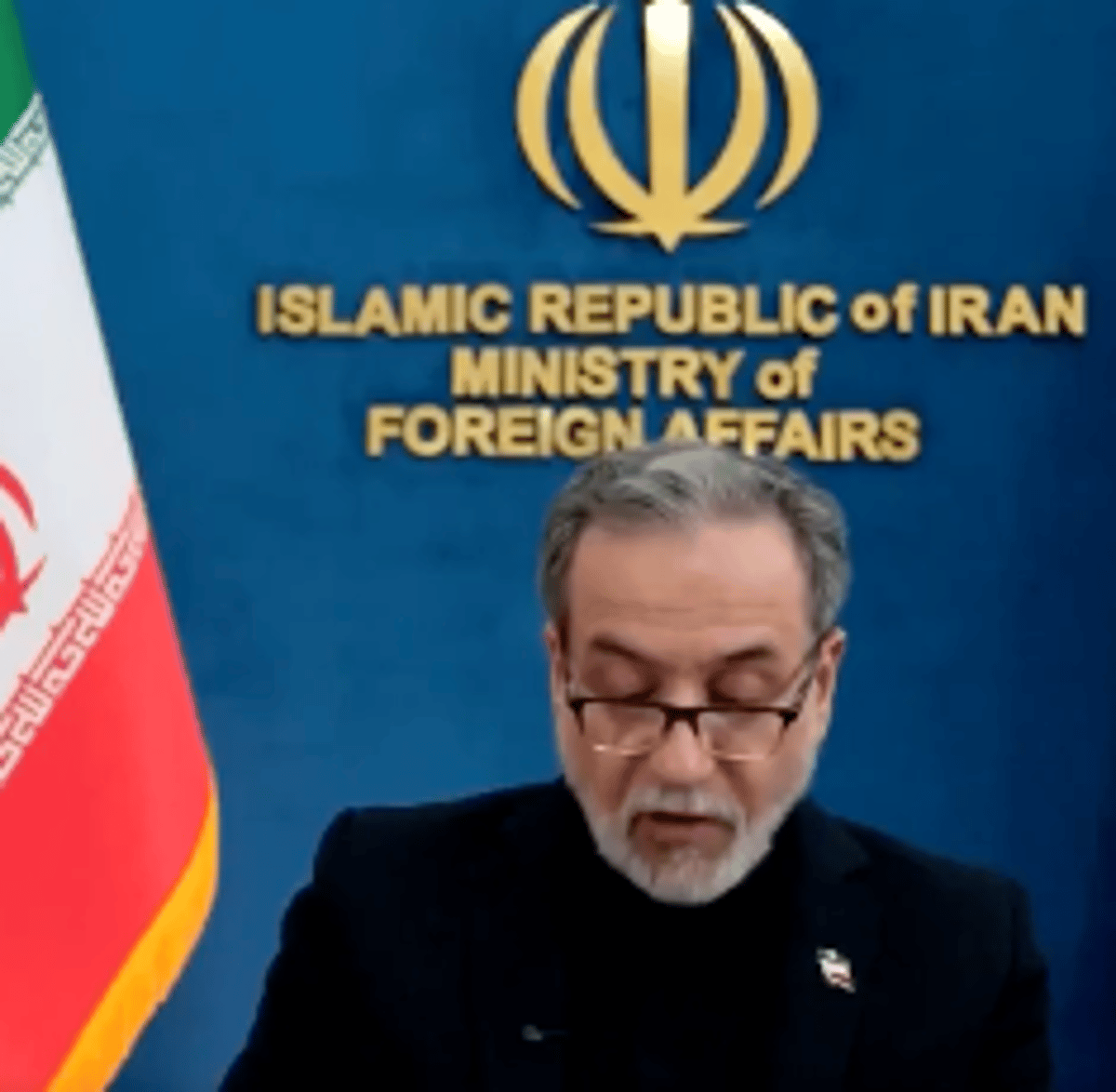
Iran’s foreign minister just accused the U.S. and Israel of pursuing a campaign with “clear intent to commit genocide,” citing a deadly strike on a girls’ school in the opening hours of the war and the widespread destruction of civilian infrastructure over the past 27 days.
Abbas Araghchi made the remarks by video link during an emergency session of the U.N. Human Rights Council, which Iran requested to address what it calls systematic attacks on civilians. The session focused on a Feb. 28 strike that killed more than 170 people, most of them children, at the Shajareh Tayyebeh Girls’ School in Minab, southern Iran.
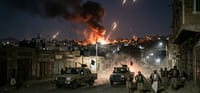
“The aggressors’ targeting pattern accompanied by their rhetoric leave little doubt as to their clear intent to commit genocide,” Mr. Araghchi said. He described the assault as a “calculated, phased assault” that has damaged or destroyed more than 600 schools, hospitals and water sources, and killed or wounded more than 1,000 students and teachers.
The Minab school was allegedly hit by U.S. Tomahawk missiles on the first morning of coordinated U.S.-Israeli strikes, known as Operation Epic Fury, which began Feb. 28 with the aim of dismantling Iran’s nuclear program and advancing regime change. Iranian officials say the facility was a civilian elementary school. Independent reporting, including by Reuters, has shown the school sat directly adjacent to an Iranian Revolutionary Guard Corps naval compound, separated only by a wall. U.S. and Israeli officials have described the broader campaign as targeting military and nuclear sites, saying civilian casualties are unintended or exaggerated.
The war erupted after months of failed negotiations over Iran’s nuclear activities. Tehran retaliated with ballistic-missile and drone barrages across the region and moved to seize control of the Strait of Hormuz, the narrow chokepoint through which about one-fifth of global oil trade passes. Tanker traffic in the strait has largely collapsed, and at least one additional oil tanker has been reported destroyed in recent days.
U.S. Vice President JD Vance has defended the operation, warning that a nuclear-armed Iran could produce “nuclear-armed suicide bombers” capable of attacks far deadlier than conventional suicide vests. Casualty figures remain sharply disputed, with independent verification limited by the active conflict zone. The U.N. human-rights chief, Volker Türk, described the school strike as evoking “visceral horror” and called for a prompt, impartial investigation.
No ceasefire talks are under way. Global energy markets continue to face volatility from the disruption in the Strait of Hormuz, which has curtailed oil and liquefied-natural-gas shipments and raised concerns about broader supply-chain effects on food and fertilizer prices.
The Human Rights Council session is largely symbolic and carries no binding authority. Iran has used the forum to amplify its narrative of victimhood, while the U.S. and Israel have dismissed the proceedings as politicized.