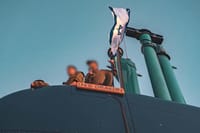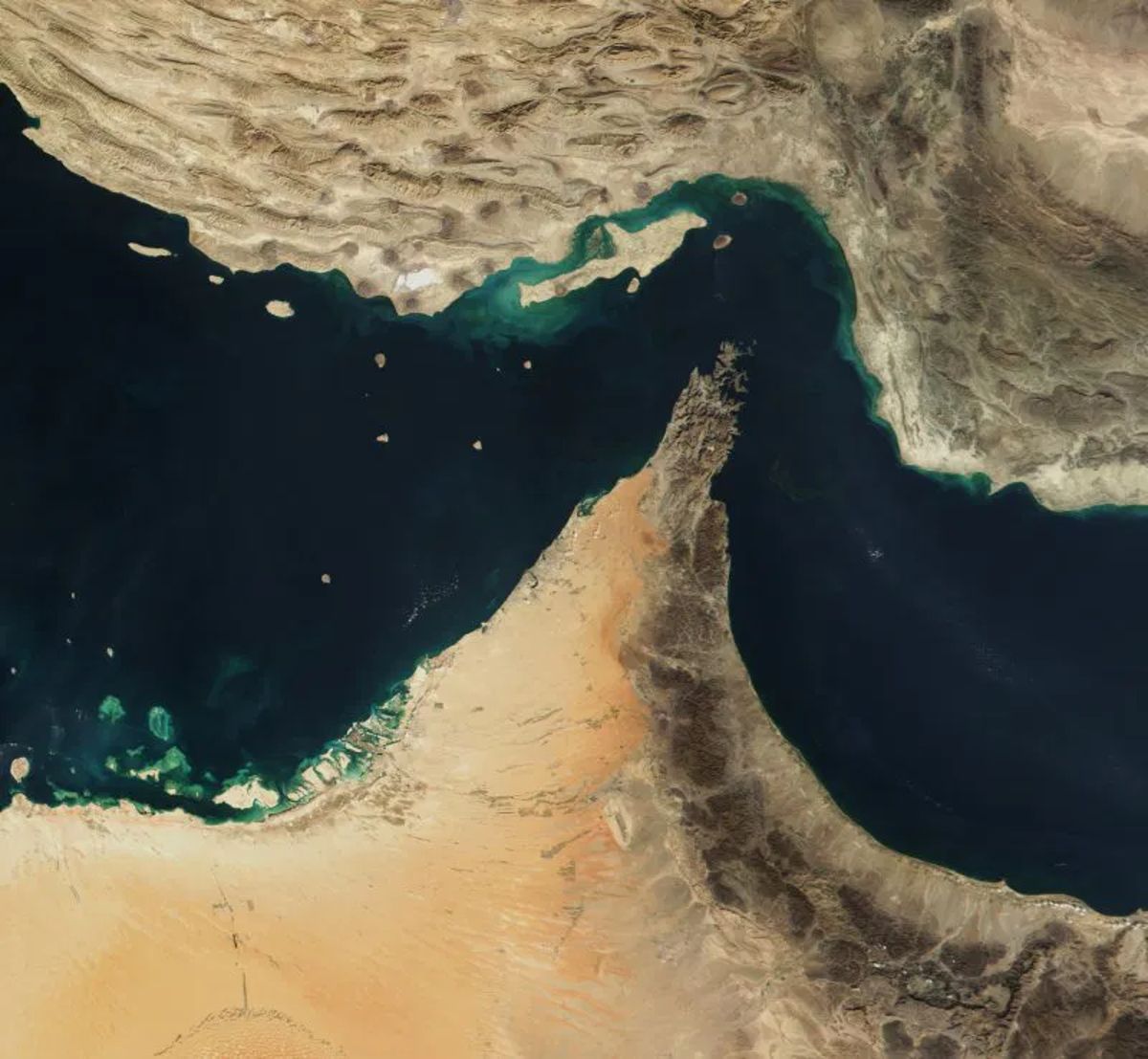
The United Arab Emirates has informed the United States and other Western allies that it is prepared to join an international maritime coalition to reopen the Strait of Hormuz, according to a report by the Financial Times.
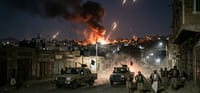
The move marks a significant hardening of Abu Dhabi's stance toward Tehran. Following a series of Iranian attacks that have paralyzed global shipping in the strategic waterway, the UAE is reportedly ready to deploy its own advanced naval fleet as part of a multinational force.
Key Developments
- Coalition Building: The UAE, alongside Bahrain, is pushing for a UN Security Council resolution to provide a legal mandate for the force.
- Economic Impact: The Strait of Hormuz typically carries 20% of the world’s oil and gas. Recent hostilities have reduced traffic to a "trickle," threatening global supply chains and energy prices.
- The "Hormuz Security Force": The proposed force aims to provide armed escorts for commercial vessels. UAE officials emphasized the goal is to protect global trade rather than initiate a direct war with Iran.
- Diplomatic Pressure: During meetings in Washington, UAE Minister Sultan Al Jaber told U.S. Vice President J.D. Vance that Iran is "holding Hormuz hostage," forcing the global public to pay the "ransom" at gas stations and grocery stores.
While the Trump administration and Bahrain support the initiative, the report notes that NATO allies have so far hesitated to join the escort mission. Meanwhile, Russia and China are expected to oppose any UN mandate for the force.
As the maritime blockade persists, Gulf nations are reportedly accelerating contingency plans, including the development of land-based pipelines and rail networks through Oman to bypass the Strait entirely.